9 fascinating facts on the Galapagos Islands

QUICK READ...

  • Discover the volcanic origins of the Galapagos Islands and the forces that continue to shape this remarkable archipelago.

  • Learn how the Galapagos National Park protects its landscapes and wildlife, with strict rules for visitors.

  • Uncover the story of Charles Darwin and how his time in the Galapagos influenced his ideas about evolution.

  • Meet extraordinary Galapagos wildlife, including giant tortoises, penguins and blue-footed boobies.

  • Experience the Galapagos with Just You, island-hopping between Santa Cruz, Isabela and San Cristóbal.

How much do you know about the Galapagos? Delve in and explore these captivating islands with these nine interesting facts to get you started before you book that solo adventure of a lifetime…

Volcanic beginnings

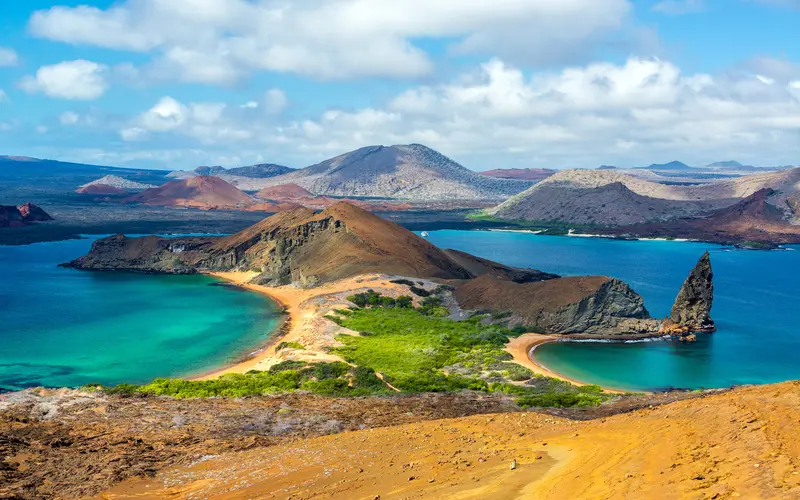
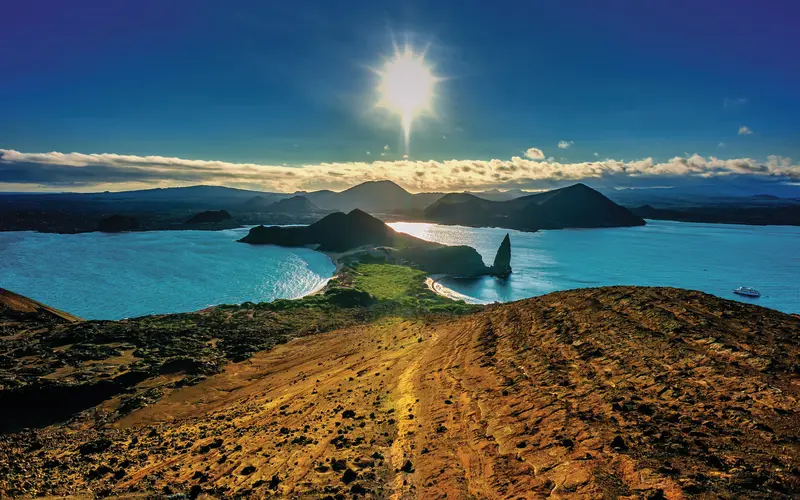
This chain of islands is one of the most volcanically active regions in the world. They were formed over thousands of years as magma repeatedly broke through the seafloor, creating layers of rock that would eventually become the islands we see today. There’s still volcanic activity here today, a reminder that the Galapagos Islands are continuing to evolve. 

Isabela itself was formed by six large shield volcanoes, including Sierra Negra. On your Just You tour, you’ll hike to the rim of Sierra Negra’s vast caldera, which stretches approximately 9km across.

Where nature reigns supreme

97% of the islands are designated as a national park, while the waters around them are classed as a UNESCO Biosphere Reserve. The remaining 3% are inhabited areas, and long may it stay like that we say! Of course the variety of studies and protection of these natural phenomena helps us better understand the world in which we live, but also supports the preservation of these rich landscapes for the future too.

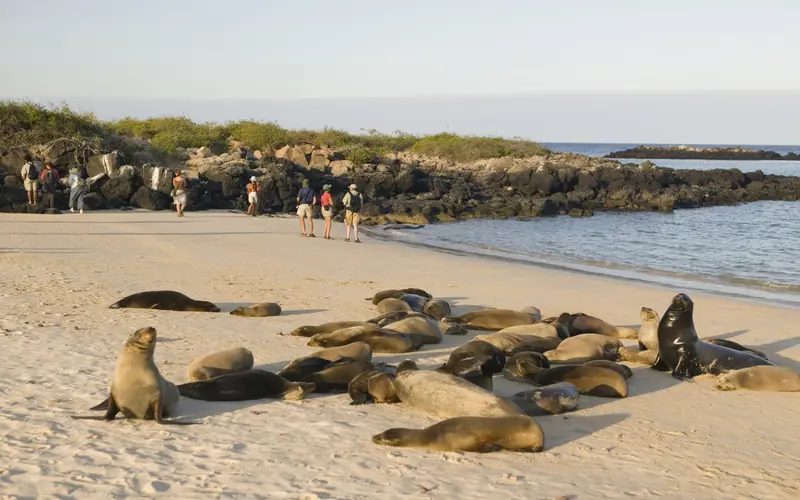
Visits here are scheduled and have to be approved by the park to control visitor numbers so you don’t have to worry about any crowds. Also, while wildlife has very little fear of people, park rules enforce a minimum safe distance of two metres, so it’s good to know that nature and wildlife are given the highest priority. Visitors to protected areas must also stay on marked trails and be accompanied by an authorised naturalist guide, helping to minimise the impact on these exceptionally fragile ecosystems.

Indeed the islands are constantly changing and so it’s hard to pinpoint exactly how many there are – by most accounts it’s 19 islands with numerous islets, but continuous volcanic activity with new rock formations emerging or sinking make it difficult to keep count. Just think when you visit, there could be a new island forming right there in your vicinity – what an incredible notion.

Mceclip0 (6)

Mceclip1 (2)

More than one reason to thank early explorers….

The first recorded European discovery of the islands was in 1535, when Fray Tomás de Berlanga, Bishop of Panama, was blown off course while sailing to Peru. The Spanish noblemen, sailors and buccaneers who visited the Galapagos Islands in the 1800s were rather unimpressed by the stark islands, which they deemed dross, worthless and inhospitable. 

So, as well as being grateful for their discovery of the islands, we should also be thankful that much of the Galapagos has been well preserved and not overpopulated and polluted as it might have been had these explorers waxed lyrical about this natural wonder.

Be part of two places at one

Close your eyes and just picture the clearest night skies. In the Galapagos the starlit skies are one of the most dazzling as they’re free from light pollution. And as you’re right on the Equator, you have the best of both worlds with constellations laid out before you from both hemispheres.

Darwin - a monumental impact in just five weeks

During your time on the islands, a visit to the Charles Darwin Museum is essential to get the full picture of Darwin’s research on evolution. It’s hard to believe that he spent a mere five weeks here in 1835, observing the islands’ finches and how they varied from area to area based on food sources and environmental conditions. 

Today, the Charles Darwin Research Station on Santa Cruz continues the islands’ scientific legacy, with conservation work focused on protecting Galapagos species and ecosystems.

SLGAL_island_view_800x500.jpg

SLGAL_sealion_800x500.jpg

Blue is not the only colour

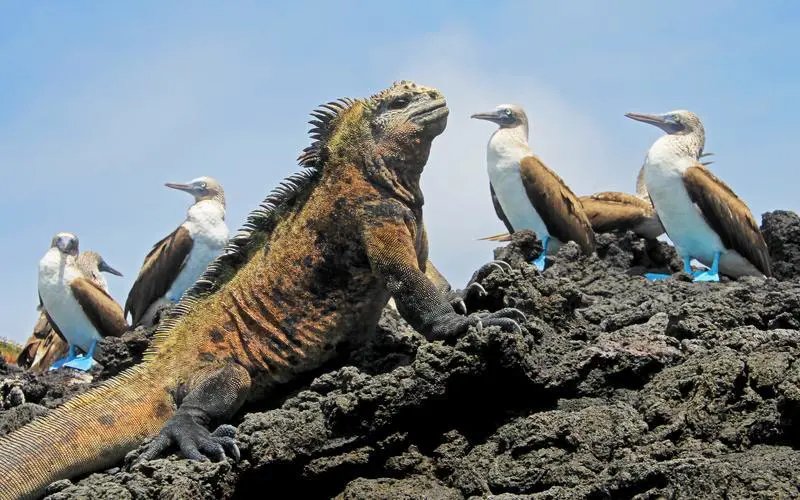
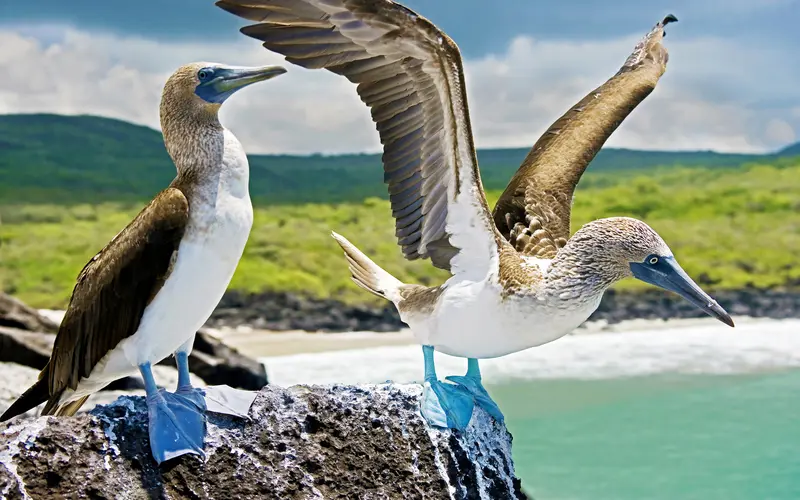
The Blue-Footed Boobie is the island's most iconic bird, but did you know there are actually three species of boobies that live in the Galapagos? There’s also the smaller Red-Footed Boobie and the Nazca, the largest of the trio with striking white plumage and black-tipped feathers. It’s thought that the colour differentiation is attributed to their differing diets.

Blue-Footed Boobies are particularly memorable for their courtship display, when males lift their vivid blue feet in an exaggerated stepping dance to attract a mate. Keep watch for them around Isabela and San Cristóbal, where they are among the birds you may encounter on your Just You tour.

Penguins with a difference

While penguins are traditionally associated with chillier climes, on Isla Fernandina and Isla Isabela you’ll find them waddling around, with their claim to fame as the only species of penguin found north of the Equator. They thrive here due to the cool waters of the Humboldt Current which are packed with nutrients and flow north from Antarctica – almost like receiving a letter from home. Galapagos penguins are one of the world’s smallest penguin species, and Tintoreras on Isabela offers one of the opportunities on your Just You tour to look out for them in their natural habitat.

Age before beauty

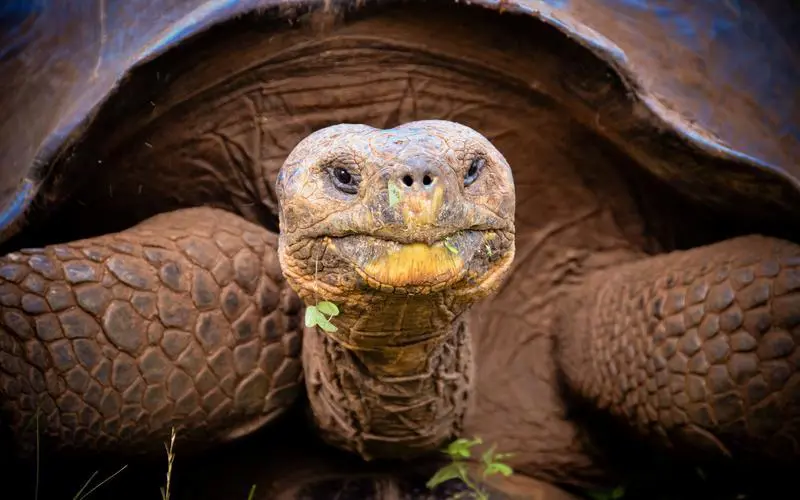
With a life expectancy of over a century, the Galapagos Giant Tortoise earns its place as the true icon of the islands. Observing them in the wild is a spectacular encounter and if only they could talk, they’d have plenty of stories to share that’s for sure! You'll have opportunities to see these remarkable creatures in different settings, from giant tortoises roaming freely in the Santa Cruz Highlands to the breeding centre on Isabela, where conservation efforts are helping protect them for future generations.

It’s a year-round destination

If you’re debating the best time to travel, the Galapagos have a year-round temperate climate. The hot season runs from December to May, and dry season from June to November. It also doesn’t operate daylight savings so you enjoy 12 hours of daylight throughout the year.

Mceclip2 (1)

Mceclip3 (2)

Let us take you there

  1. Natural Wonders of Ecuador and the Galapagos

    This holiday of a lifetime is a must for lovers of nature. Explore Ecuador's incredible cloud forest, before discovering remarkable landscapes and unique wildlife when you stay on three of the UNESCO-listed Galapagos Islands.

    • Return flights
    • 12 nights in 3 & 4-star hotels, 2 nights in flight
    • 30 included meals: 12 breakfasts. 11 lunches, 7 dinners
    • Small group travel style - Max 20 people on this tour

    15 days from
    £6,699